Are Aluminium Profiles Waterproof and Suitable for Kitchens and Bathrooms?
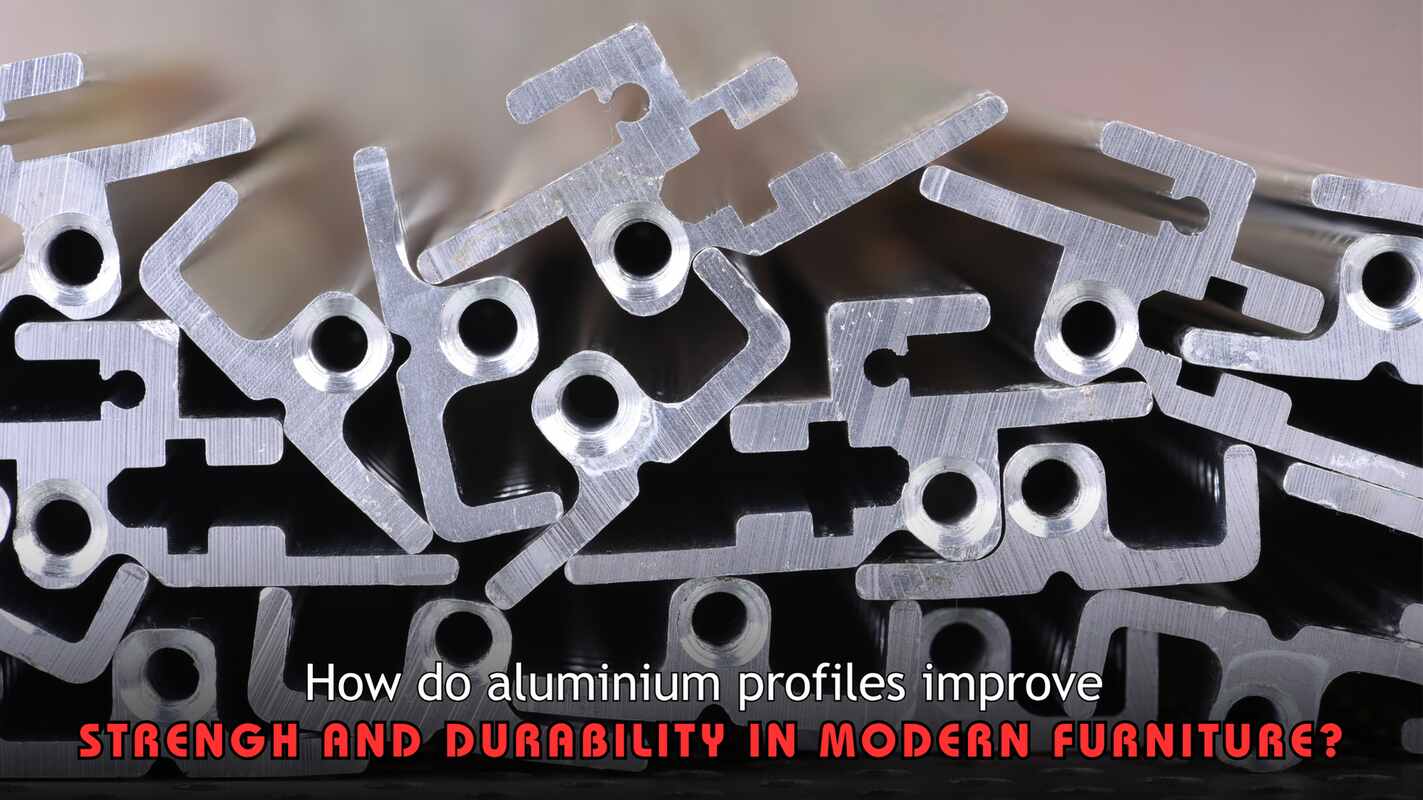
How do Aluminium Profiles Improve Strength and Durability in Modern Furniture?

When it comes to home renovation, the choice of the right materials assumes a lot of importance. Many homeowners tend to struggle between style and substance. This is precisely why waterproof aluminium profiles have moved from industrial settings into the heart of modern residential design. What once graced the industrial and high-end establishments has now moved to almost every residential design.
But what makes the aluminium profiles a preferred choice? How does it differ from the traditionally used materials like wood and PV? Let us explore the differences between aluminium profiles, PVC, and wood.
Wood – The traditional choice
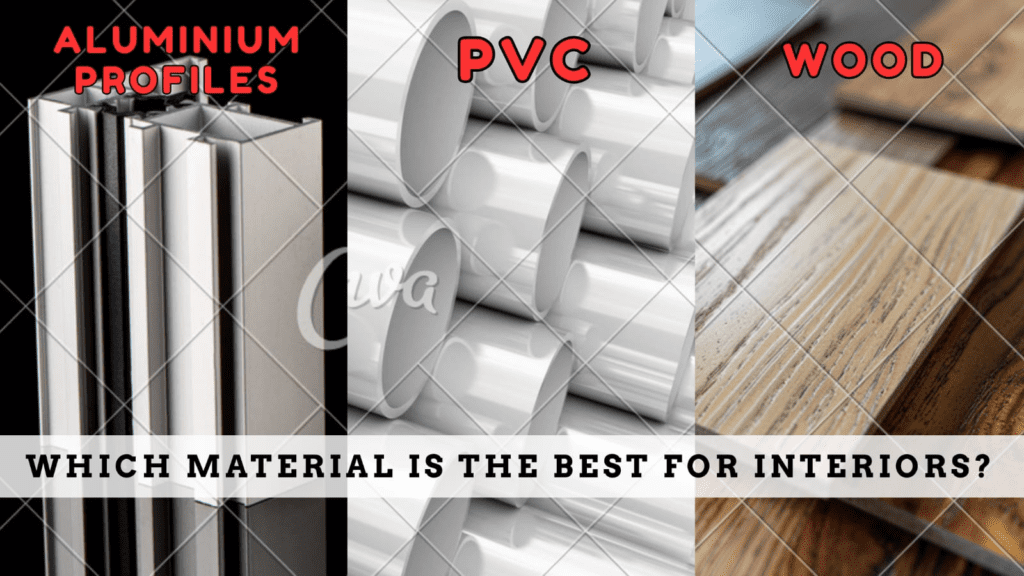
For several centuries, wood has been the default choice for interior design. It offers natural warmth and the very prestige associated with the solid timber. However, it does come with a few issues from a durability point of view.
Here are the pros and cons associated with the use of wood –
Pros:
- An excellent insulation property
- A timeless aesthetic appeal and
- A high customisability by any local carpenter.
Cons:
Wood is the most vulnerable material in a home. It is prone to termite infestations, warping in humid weather, and rotting if a pipe leaks in the kitchen. Even high-grade “BWP” (Boiling Water Proof) plywood has a limited lifespan when exposed to constant moisture.
PVC – The Budget alternative
If you are looking for a low-budget renovation, PVC should be the right option.
Pros
It is 100% waterproof and termite-proof. It is also the most affordable option on the market.
Cons
PVC lacks structural integrity. It is soft, meaning screws can loosen over time, causing doors to sag. It is also highly sensitive to heat; in a kitchen environment, PVC can soften or even release toxic fumes if it gets too hot. Visually, it often looks “plastic” and lacks the elegance of premium materials.
Aluminium Profiles: The Modern Gold Standard
Aluminium profiles have emerged as one of the most common materials in recent times. They can be coupled with ACP (Aluminium Composite Panels). It is the superior choice in high-traffic and high-moisture areas.
Pros:
- Total Durability: Aluminium is waterproof, fire-resistant, and termite-proof.
- Anodized Finish: High-quality imported profiles are anodized, giving them a “shiny,” durable surface that doesn’t scratch or rust.
- Design Versatility: Modern aluminium facing profiles can mimic the appearance of wood, providing that “elegant and stylish” look without the structural weaknesses of timber.
- Strength: With wider borders and superior thickness, these profiles can support heavy glass or large wardrobe panels without bending.
Cons:
The initial cost is higher than PVC and some low-grade plywood, but the lifecycle value is significantly better.
How do the three materials compare?
The table below should give you a clear insight into how these materials compare with one another.
| Feature | Wood/Plywood | PVC | Aluminium Profiles |
| Water Resistance | Low (Swells/Rots) | High | Absolute (Waterproof) |
| Termite Resistance | Very Low | High | 100% Proof |
| Heat Resistance | Moderate | Low (Can melt) | High (Fire Resistant) |
| Durability | 5–15 Years | 3–7 Years | 20+ Years |
| Aesthetic Value | Classic/Warm | Basic/Plastic | Modern/High-End |
The aesthetics and looks
When it comes to the natural look, wood scores higher with its natural texture. Aluminium was traditionally considered quite cold in this context. However, the modern aluminium facing profiles are designed to be elegant and stylish.
For bedroom wardrobes, you can choose profiles with a wood finish that provides the warmth of a traditional room but the sleek, slim-line silhouettes of modern architecture. These wardrobes really feel premium. The “heft” of a thick-bordered aluminium door, combined with the smooth slide of high-quality rollers, creates a sensory experience that wood can’t replicate over the long term.
The long-term financial benefits
When you look at the cost factor and long-term durability, waterproof aluminium profiles and ACP sheets are the best choice. Even when they are known to have a high initial cost, the life cycle cost is comparably much lower.
In terms of the financial point of view, the aluminium profiles offer you the following advantages:
- Zero Replacement Cost: You won’t be tearing out your kitchen in seven years because of a termite attack or a leak.
- No Annual Maintenance: No polishing, no pest control treatments, and no hinge tightening.
- Property Value: A home with high-end, durable aluminium interiors has a higher resale value because the new owner knows they won’t have to spend money on renovations.
The Verdict: Which is Best for Your Room?
The choice should typically depend on the purpose for which the material is being used.
For the Kitchen and Bathroom: Aluminium Profiles
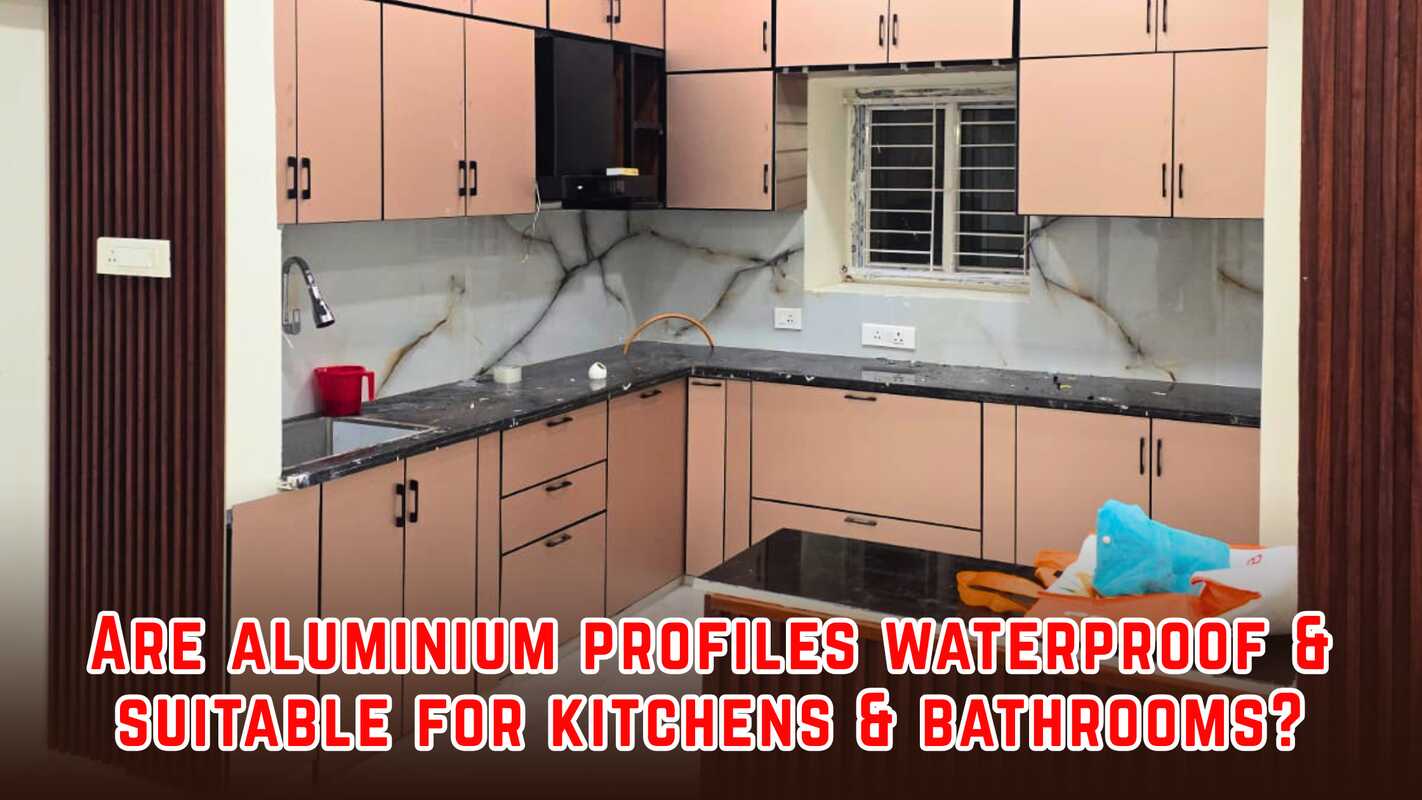
Kitchens and bathrooms are the wet zones in a home. The aluminium profiles should be the undisputed winner in this situation. In an environment that has an abundance of steam and water, wood or PVC will degrade within a short span. The anodised aluminium profiles will keep working safely for decades. You can also use waterproof aluminium profiles with ACP sheets for an added advantage.
For Wardrobes and Bedrooms: Aluminium Facing Profiles
Do you love the wooden look, but live in a coastal region? We recommend choosing aluminium facing profiles. Pick a profile with a wood grain finish. You get the attractive appearance of wooden wardrobes with the reliability of metal. They are perfect for floor-to-ceiling designs because the wider borders ensure the doors never warp.
For Temporary or Low-Use Areas: PVC
If you are doing a quick fix for a utility room or a space where aesthetics don’t matter, PVC is a functional, low-cost choice.
Conclusion: Investing in Quality
Choosing between aluminium profiles, wood vs PVC comes down to how much you value longevity. While wood offers tradition and PVC offers low cost, aluminium profiles offer a “future-proof” home.
By opting for high-quality, thick-bordered aluminium work, you eliminate the stress of termites and water damage forever. For a finish that looks truly premium and stands the test of time, the craftsmanship provided by Elite aluminium and glass work ensures your interior isn’t just a design. We help you create a long-term investment in quality.