
Aluminium Sliding Doors: Complete Buying & Installation Guide

Soundproof Aluminium Windows & Doors for Noisy Neighbourhoods
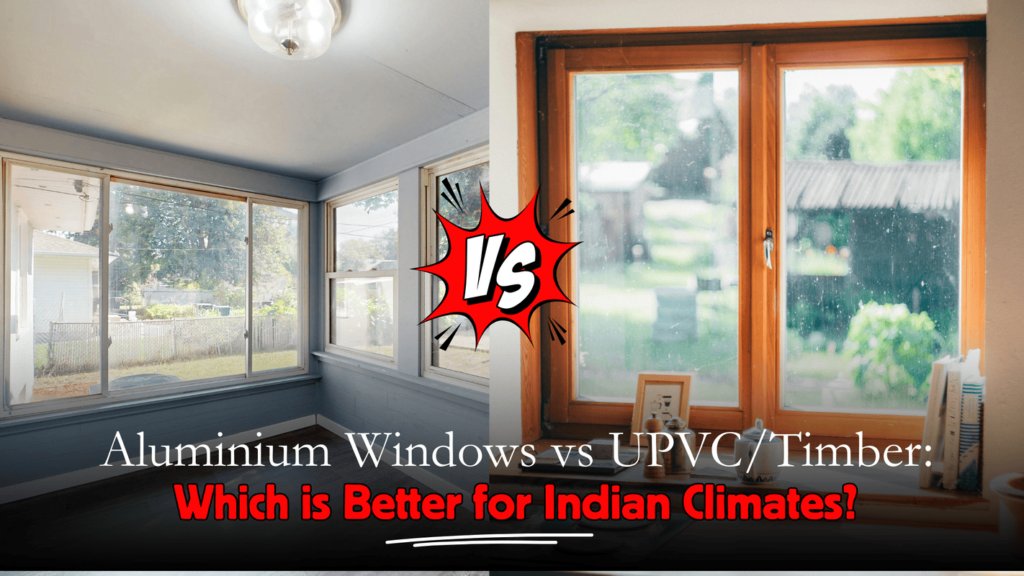
When it comes to choosing the best windows for your new home, it is not just aesthetics that you should look for. Your windows should have a good deal of protection against the scorching summers, heavy monsoons, coastal humidity, and dust storms. Three materials dominate the market—aluminium, UPVC, and timber.
But which one truly performs best in Indian conditions? This guide is an attempt at helping you understand the usability of each of these materials.
Why Window Material Matters in India?
India is known to have a brutal climate. It can negatively impact the building materials. Northern regions experience extreme temperature fluctuations. Coastal areas battle salt corrosion and humidity. Monsoon zones endure constant moisture exposure. And then the cities struggle with pollution and noise.
This is why choosing the best window material India is a long-term investment that impacts energy bills, maintenance costs, durability, and home value.
Aluminium vs UPVC Windows: The Core Comparison
Well, based on the real world conditions, the experts in windows and doors suggest different materials.
We will make a comparison based on the specific key factors so that you can make a learned choice.
Weather resistance
Aluminium windows are the best choice for the tropical regions in India. It does not warp, fade or corrode. Modern designs of the aluminium windows come with a strong galvanised steel reinforcement. They excel in high-rainfall zones and can handle monsoon winds and coastal salt spray without degrading
Even the UPVC windows come with good weather conditions, but have their own limitations. Under intense sun, UPVC tends to expand over time. This can compromise seals and reduce weather resistance. However, in mild to moderate climates, UPVC performs admirably. They are useful with multi-chambered profiles and quality sealing.
Winner – Aluminum
Thermal Insulation & Energy Efficiency
UPVC is the perfect pick when it comes to insulation. The plastic material is a poor conductor of heat. That makes it excellent for keeping homes cool during brutal Indian summers. UPVC windows can reduce energy consumption by up to 30%. They’re particularly effective in regions like Delhi and Chennai. These areas face severe summer temperatures.
Aluminium windows may not perform well in this department. Unless it is equipped with the thermal break technology, they may not work as the best insulators. However, premium aluminium windows with thermal breaks offer comparable performance.
Winner – UPVC. But Aluminium works best when used with thermal breaks.
Durability & Lifespan
Aluminium windows have an expected lifespan of 30 to 50 years and need a very lower level of maintenance. They are also known to resist corrosion, UV damage, warping, and degradation. In tropical climates, this longevity is exceptional.
UPVC windows come with a lifespan of up to 20 to 30 years in Indian conditions. High quality systems come with 35–40 years with proper care. Coastal regions may see reduced lifespan (20–25 years) due to salt air exposure.
Winner – Aluminium
Maintenance
Aluminium windows come with the minimum requirement of maintenance. A simple occasional wipe with a damp cloth is usually sufficient. They don’t fade, discolor, or lose their premium finish over time. Maintenance costs are negligible.
UPVC windows have a need for regular cleaning and maintenance. They would need a cleaning schedule every three to four months. You can use mild detergent to prevent discoloration and keep them looking fresh. White UPVC windows, in particular, show dirt and dust readily. Annual lubrication of hinges and locks is recommended.
Winner – Aluminium
Aesthetics & Design Flexibility
Aluminium windows offer you better aesthetics. Their slim profiles allow larger glass areas. They also maximise views and natural light while giving homes a contemporary look. They are available in multiple finishes (anodized, powder-coated) and colors. These windows suit modern architecture beautifully.
UPVC Windows have thicker frames due to their material properties. Color options are more limited (mostly white, beige, gray), and customization is less flexible. However, they offer a traditional appearance appreciated in conventional homes.
Winner – Aluminium
Timber/Wood Windows: The Traditional Choice
Timber windows bring warmth, character, and timeless appeal to Indian homes. However, they can be troublesome and can have a few severe issues.
Durability & Climate Challenges
In India’s climate, timber windows face serious challenges. Humidity causes swelling and warping. Heat leads to cracks. Termites pose a constant threat. High-quality hardwoods like teak, sal wood, sheesham (Indian rosewood), and mahogany offer better resistance, but even these require vigilant maintenance.
Maintenance Burden
Timber windows demand significant upkeep. They need repainting or varnishing every 5–10 years, and regular termite treatments (₹300–₹800 annually for prevention). They also need moisture protection measures.
Verdict – Timber works best in heritage homes where traditional aesthetics are essential or in mild climates. For tropical, coastal, or high-humidity zones, they’re challenging choices despite their charm.
The key comparison for the three materials
The table below should help you understand the key differences between Aluminium, UPVC and timber.
| Factor | Aluminium | UPVC | Timber |
| Energy Efficiency | Moderate (with thermal break) | Excellent | Good |
| Heat Reflection | Good | Excellent | Fair |
| AC Load Reduction | 20–25% | Up to 30% | 15–20% |
| Winter Heat Retention | Fair | Excellent | Fair |
Final Verdict: Which Material Wins?
For most Indian homeowners, aluminium windows emerge as the superior long-term choice.
Here are a few reasons that would make aluminium stand out as the best choice –
- 30–50 year lifespan significantly exceeds replacement cycles
- Minimal maintenance saves time and money
- Excellent weather resistance for India’s diverse climates
- Modern aesthetics enhance home value
- Lower lifetime cost despite higher upfront investment
UPVC is the smart choice if you’re on a tight budget, live in a mild climate, or prioritize energy efficiency above all else.
Timber works if you own a heritage property and can commit to intensive maintenance.
If you are unable to make the right choice, get in touch with us at Elite Aluminium and Glass Work to get access to the best choice for your specific needs. We help you make the perfect choice based on the weather conditions in your region.
Take the perfect step and give your windows the best attention that it needs!